
After a hip replacement, spinal fusion, or knee reconstruction, the first few weeks usually involve follow-up visits, imaging appointments, physical therapy sessions, and pharmacy runs. But many families don’t think about transportation until the last minute.
Although standard cars and minivans seem like the obvious solution, they aren’t designed for patients, which can result in sharp pain through healing joints, incisions, or surgical sites with every bump. Caregivers often end up lifting, steadying, and improvising awkward transfers that strain both the caregiver and the person being transferred.
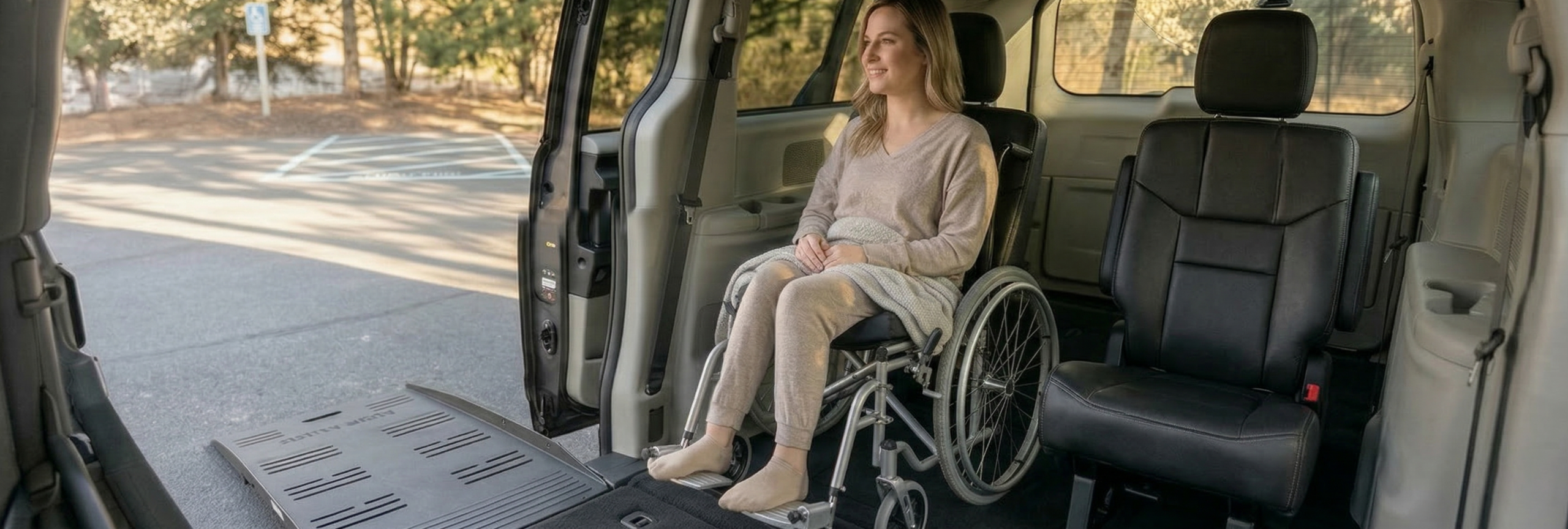
When a patient has strict mobility restrictions, a post-op transportation van rental offers a safer alternative. With wheelchair ramps, spacious interiors, and secure tie-down systems, accessible vans simplify entry, stabilize seating, and reduce strain that can quietly set back recovery during those crucial early weeks.
Why Safe Post-Op Transportation Is Critical for Recovery
The American College of Surgeons states that many patients can return to normal, light activities within 1–3 weeks after surgery, with restrictions on strenuous activity often continuing for 4–6 weeks. Although you should always follow your doctor’s specific recovery instructions.
During this period, an improper vehicle transfer can separate incisions, exacerbate swelling, or place excessive pressure on newly reconstructed joints, potentially requiring additional surgery. Since standard vehicles are rarely designed with post-surgical mobility needs, it’s important to rent a safe, wheelchair-accessible van during that phase.
Who Benefits Most from a Medical Van Rental
Different patients can benefit from a medical van rental during the post-op and rehab period, including:
- Total hip, knee, or spinal surgery patients who cannot bend, twist, or have strict positioning restrictions that a standard car simply can’t accommodate
- Stroke and neurological recovery patients with limited mobility on one or both sides
- Elderly patients whose balance and strength make improvised transfers genuinely risky
- Amputees in the early post-op phase navigating mobility with a wheelchair or crutches for the first time
- Bariatric surgery patients who need wider, reinforced seating and more clearance than a standard vehicle provides
- Patients traveling with medical equipment like oxygen tanks, wound vacs, or drainage systems, who need space to transport it safely
Choosing the Right Van for Post-Op Recovery and Rehab Comfort
Since you’ll be using a rental van for a significant stretch of your recovery, it’s important to find a configuration that actually works with your specific surgery and your mobility level. This means focusing on the entry style, floor height, ramp angle, seating layout, and all other essential features.
Rear-Entry vs. Side-Entry — What Works Best for Surgery Recovery?
Both rear-entry and side-entry vans serve the same purpose, but they behave differently in everyday situations.
- Rear-entry vans like the Honda Odyssey and Chrysler Pacifica conversion models deploy their ramp from the back of the vehicle, allowing the wheelchair to roll straight in without tight turns. However, they require significant clearance behind the vehicle, which makes tight parking lots and busy hospital drop-off zones genuinely frustrating.
- Side-entry vans like the Chrysler Voyager or Chevy Traverse load from the passenger side, giving the wheelchair user direct access to the front cabin area. These vehicles also allow curbside loading in parking lots, which keeps the wheelchair user safely away from traffic when entering or exiting the van.
For post-op patients making frequent trips to physical therapy or specialist appointments, side-entry is almost always the better choice.
Matching Floor Height to Transfer Needs
Floor height might not seem like a major factor, but it directly affects the safety and comfort of each transfer. A lowered-floor conversion, where the van floor is dropped 10 to 14 inches below the factory height, creates a gentler ramp slope, which means less effort going up and more control coming down. When renting, request the ramp slope ratio. A 1:12 ratio is the standard, meaning 12 inches of ramp for every inch of rise, and confirm it before you book.
Essential Features in a Rehab Transport Van
When evaluating a rental for post-op use, the following features are non-negotiable:
- Manual or power ramps with a gentle incline to reduce effort during loading
- Wide sliding door openings with a minimum 30 inches clearance to accommodate wheelchairs without scraping or squeezing
- Non-slip flooring to prevent wheel movement during transfers
- 4-point wheelchair tie-down systems that keep the chair securely anchored
- Integrated seatbelt restraints for proper passenger safety
- Hand controls if the patient is cleared to drive but cannot operate standard pedals during recovery
Comfort Features That Make Travel Gentler During Recovery
Beyond the essentials, these features make a real difference over weeks of repeated trips:
- Swivel transfer seat for patients on walkers or crutches who don’t need a wheelchair but can’t manage a standard car entry
- Smooth suspension systems that absorb road vibration
- Climate control systems that help regulate temperature
- Adjustable or reclining seating options for patients who cannot sit fully upright for long periods
- Pressure-distributing cushions that reduce soreness during longer rides
- Grab handles and interior assist bars near the wheelchair seating area for added stability during transit
Like what you’re reading? Subscribe to our newsletter and get new updates directly to your inbox.
Is Renting a Van for Post-Op Recovery Worth the Cost?
It depends on the number of appointments and the length of recovery. Although renting a wheelchair-accessible van for a few weeks can feel like a big expense upfront, it often proves cost-effective in the long run.
Non-emergency medical transport typically runs $45–$100 per trip. It may sound manageable until you calculate five physical therapy sessions per week for six weeks. That’s potentially $1,350 to $3,000 in transport costs alone. Plus, scheduling windows are often 2–4 hour blocks, not exact pickup times. Cancellations and no-shows are a real and documented problem.
A short-term medical van rental changes the equation entirely. Families also gain the flexibility to travel whenever needed, whether that’s a therapy appointment, a quick doctor’s visit, or even a short outing that lifts the patient’s mood during recovery.
Step-by-Step Guide to Renting a Van for Post-Op Recovery and Rehab
The biggest mistake most families make is waiting until discharge day to figure out transportation. By then, the good vehicles are already booked, and nobody has time to ask the right questions. Ideally, you should start one to two weeks before surgery, so the van is confirmed and waiting when you need it.
- Before you call any rental company, ask your surgeon about mobility restrictions and how long they’ll last. That information will help you book the right accessible van for rehabilitation appointments.
- Measure your wheelchair and write down the specs. Every rental company will ask, and having it ready speeds up the entire process.
- Request delivery to the hospital or rehab facility on discharge day so you don’t have to worry about transportation in an already overwhelming moment.
- Confirm insurance and liability coverage in writing before anything moves.
- During pick up or delivery, test ramp operation and review tie-down securement procedures.
- Do a test run over typical rehab routes. This helps spot potential obstacles like tight turns, steep ramps, or low curbs before critical trips.
- Evaluate comfort during longer trips. If the patient is arriving at physical therapy already fatigued or in more pain than expected, ask the rental company to troubleshoot the issue.
- When returning the van, remove personal items, wipe down surfaces, and secure any loose equipment.
Frequently Asked Questions About Renting a Van for Post-Op Recovery and Rehab Comfort
How long should I rent a van after surgery?
Most patients rent a van for 2 to 6 weeks. That window typically covers hospital discharge, early recovery, and recurring rehab appointments. Many companies offer flexible weekly extensions, so you’re not locked in if you recover faster.
Do I need a special license to drive a wheelchair accessible van?
Since accessible vans operate like standard vehicles, you don’t need a special license to drive. However, hand controls may require a state license endorsement, so check with your DMV first.
Can the van be delivered to the hospital or home?
Yes, many reputable wheelchair-accessible van rental companies offer delivery directly to a hospital, rehabilitation facility, or home address. Always confirm delivery availability and any associated fees when you book, and schedule it for at least an hour before the expected discharge time to account for delays.

Secure Your Post-Op Mobility Solution with Wheelchair Getaways
After surgery, you need reliable transportation for therapy sessions and follow-up visits. Available in more than 210 locations nationwide, Wheelchair Getaways has been helping patients, caregivers, and families navigate situations like this for decades.
Our fleet of vehicles includes vans with rear-entry and side-entry configurations, power ramps, secure tie-down systems, and spacious interiors, so patients and caregivers can travel safely and comfortably every time.
With flexible rental options, you can book for just a few days, a week, or an entire month, depending on your recovery schedule. We frequently offer deals and discounts for extended rentals or first-time customers, so the right vehicle won’t stretch an already tight recovery budget.
For more information, call us at (855) 419-4335 or fill out this quick form, and a member of our team will get back to you promptly.