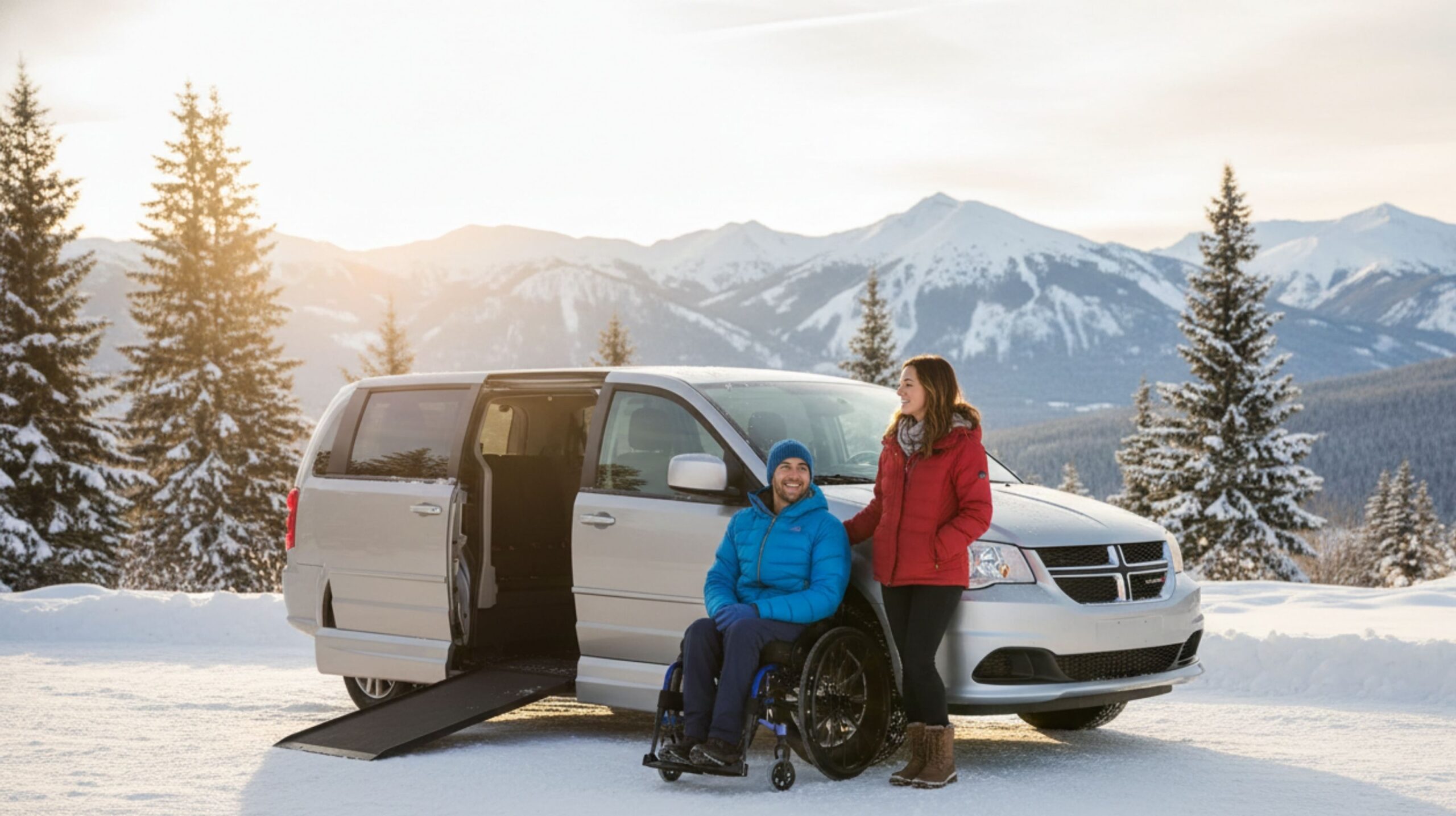
Winter travel has a funny way of tricking you. You think, “I’ll pack light,” and somehow end up with three coats, two blankets, backup gloves for your backup gloves, and enough just-in-case gear to survive a snowstorm that may never come. Even if an accessible van feels roomy at first, winter overpacking can shrink your usable space and affect mobility.
For instance, if you stash bags too close to the ramp, deployment might not be possible. Similarly, blocking floor anchors or tie-down tracks with extra luggage will compromise wheelchair securement. These common mistakes can lead to frustration, wishing you’d packed differently in the first place. But don’t worry. We’ll walk through accessible vehicle storage ideas, things worth skipping, and organization tips during a long winter trip.
How to Plan Your Packing Strategy Before a Winter Road Trip?
Whether you’re going to a ski resort or just chasing winter scenery along quieter highways, it’s important to plan your packing strategy before hitting the road. For example, every item should have a dedicated space. If you have to move three things to get to one, your layout is inefficient and will lead to clutter during your trip.
If you’re feeling lost, use the following packing strategy:
Map Out Your Van’s Interior Layout
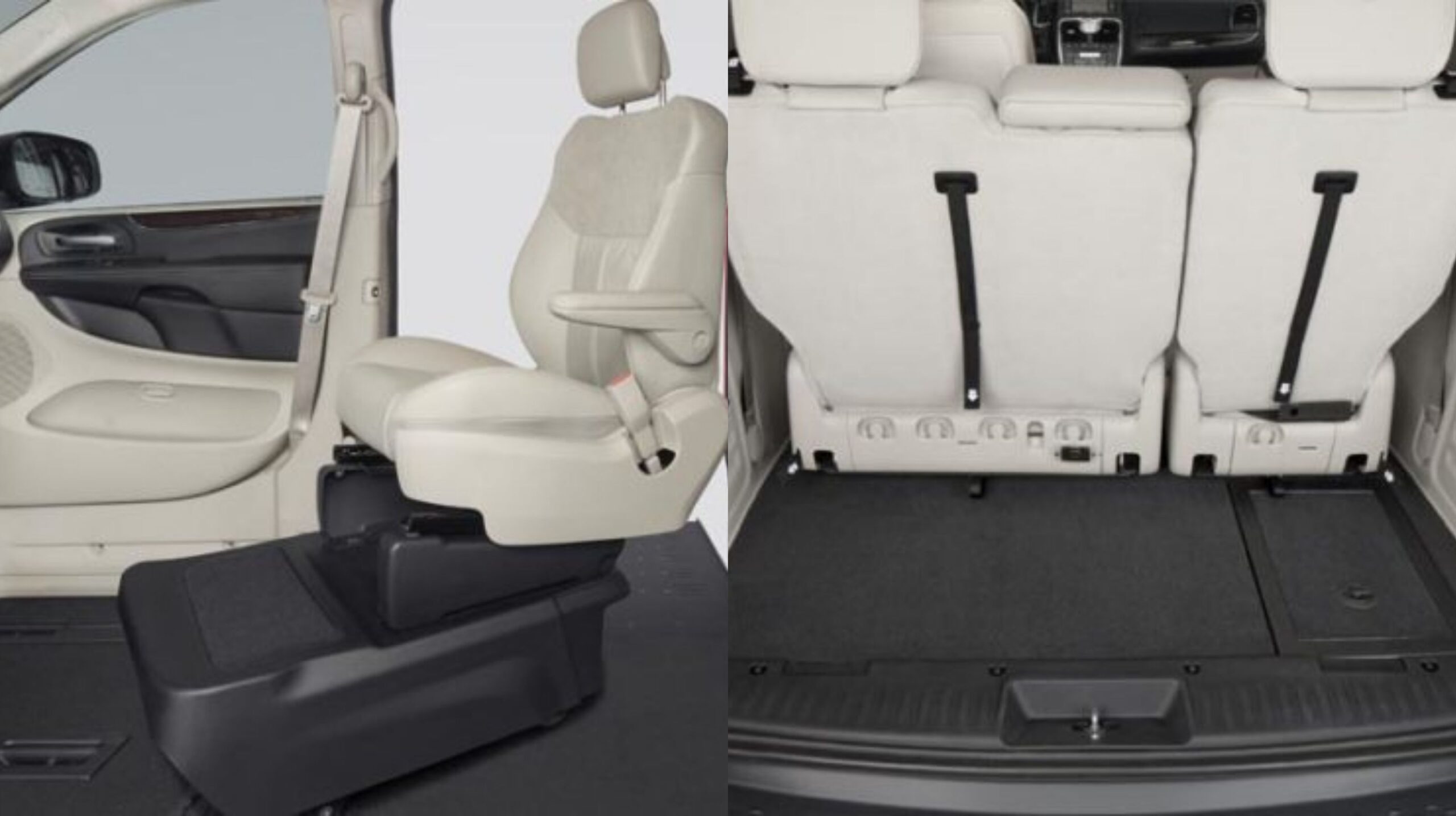
Accessible vans are engineered differently, so you must map out your van’s interior layout before placing your luggage.
- Minivans, such as Chrysler Pacifica, Toyota Sienna, and Honda Odyssey, are the most common conversions. While they offer regular storage options, you have a center aisle layout with limited space.
- Full-size vans like the Ford Transit and Ram ProMaster provide significant overhead and rear storage, but overloading can make the vehicle feel top-heavy, affecting handling on icy winter roads.
When traveling, you need room to turn, adjust, transfer, and deal with unexpected situations, so factor in the ramp, tie-down zone, and open floor space. Since it’s not always easy to visualize these boundaries, use painter’s tape on the floor of your van to mark a permanent clear zone before loading. If a bag crosses that line, it gets relocated.
Build a Winter Travel Packing Checklist
After getting a rough idea about space, it’s time to make a checklist that matches your trip without going overboard. Some items are obvious, but others? You’ll only curse yourself later if you leave them behind. A solid winter checklist keeps essentials close, backups protected, and rarely used items out of the way.
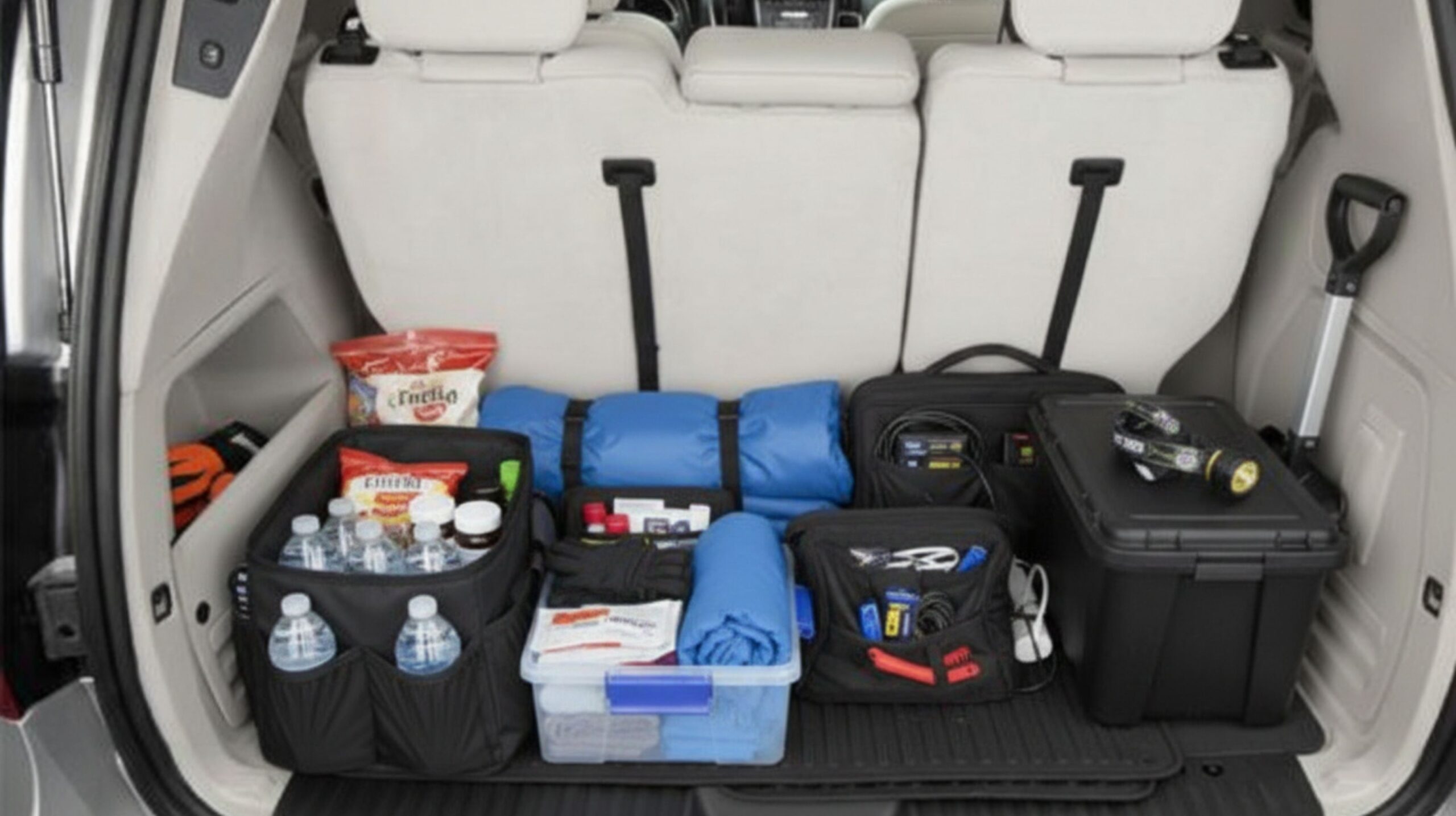
Some winter travel essentials include:
- Snacks and water bottles
- Winter gloves
- Hand warmers and thermal packs
- Towels or microfiber cloths for drying wheels and frames
- Weatherproof wheelchair cover or lap blanket
- Snow- and slush-resistant boots with easy on/off access
- Medication and medical supplies
- Battery chargers, extension cords, and a surge protector
- Wheelchair tools, tire repair kit, and spare inner tubes
- Flashlight or headlamp for dark winter stops
- Ice scraper and a small shovel
- Floor mats or liners for snow-covered tires
The Ramp Zone Strategy for Maximizing Space in an Accessible Van
Ramps allow smooth boarding and unboarding without physically straining the caregiver, but that only works if the ramp area stays clear.
Some accessible vans feature rear-entry ramps that often give you more flexibility up front, but you have to stay mindful of the back cargo area. Side-entry ramps usually require a wider, uninterrupted aisle from the door to the tie-down zone, leaving very little room for error when packing.
Similarly, if your van features a fold-in ramp, don’t forget to factor in the space when stowed. Even a small stray item, such as a loose glove or a shopping bag, can jam the mechanism or prevent the ramp from locking securely in its vertical position.
When packing, be considerate about the ramp zone. If your wheelchair needs to slow down, angle slightly, or pause to line up, that space is part of the ramp zone.
How to Organize the Ramp Zone
- High-use essentials, such as tie-down tools, heavy-duty gloves, portable chargers, and ice scrapers, should be kept near the door.
- Use slim pockets, hanging pouches, and side organizers that sit flush against the walls without intruding on the ramp path.
- Secure everything so it can’t slide forward during brakes or sharp turns.
- Avoid bulky bags or soft totes here. If it can sag, tip, or migrate toward the ramp, it doesn’t belong in this zone.
Use Vertical Storage in Van Without Blocking Mobility
Vertical storage can be a lifesaver when done intentionally. This means stacking properly, utilizing doors and the backs of the front seats, and skipping overhead placement.
Stack with Intention
Before stacking anything, ask one question: Will I need this before the next stop?
If the answer is yes, it doesn’t go up high.
Heavy items should stay on the floor, lighter gear on top. This lowers the vehicle’s center of gravity for better handling on icy roads. Avoid narrow towers of luggage that can topple into the aisle during a sharp turn. Always use transparent, stackable bins so you can see the contents without unstacking everything.
Like what you’re reading? Subscribe to our newsletter and get new updates directly to your inbox.
Turn Doors, Walls, and Seat Backs Into Storage
Door panels, seat backs, and side walls can hold a surprising amount without stealing mobility. Install hanging organizers, slim pockets, and molle-style panels for essential items such as tablets, hats, or wet wipes that usually clutter the floor.
Skip Unsafe Overhead Weight
While it is tempting to use every inch of height, there are strict limits to stacking items too high in a mobility vehicle.
A blocked rearview or side-view mirror is a major safety hazard, especially in winter when peripheral vision is already limited by snow and fog. To avoid that, never stack items higher than the base of the windows. Never place heavy or hard objects on top of stacks. In the event of a sudden stop, anything not properly lashed down can become a dangerous projectile.
Mobility Van Packing Tips for Bulky Winter Gear
Most people treat bulky winter gear like normal luggage, but it needs its own system; otherwise, it will quietly take over your van. To avoid that, we recommend the following:
- Stuffing all winter gear into one bag feels efficient until you just need one glove. Instead, split bulky gear by function: cold-weather outerwear in one container, dry backup layers in another.
- Always use collapsible duffels or soft packing cubes. Once you’ve unpacked, you can fold the bag flat and slide it into a side pocket, reclaiming the floor space a hard suitcase would have occupied all week.
- Compression bags can shrink bulky items by up to 70%, but never squish the stuff you’ll need during the day.
- Hollow space is wasted space. Use the “Russian Doll” approach to packing. This means stuffing your backup gloves, beanies, and wool socks inside your spare winter boots to maximize space.
- Use roof bags or cargo boxes for overflow, but always strap them down with bungees so nothing shifts, loosens, or turns into a problem halfway through the drive.
Keep Everything Accessible During a Long Winter Drive
On a multi-hour drive, the last thing you want is to deploy the ramp and unload half the van just to find a fresh pair of dry socks or a charging cable. The trick? Organize your gear by frequency of use rather than size.
- Create a daily-use bin you’ll reach for at every stop. This should include medications, snacks, wipes, chargers, gloves, lip balm, and tissues.
- Winter emergencies don’t wait for you to unpack. Include a shovel, thermal blankets, jumper cables, snow chains, and a backup power bank. Store this kit somewhere you can access in seconds, not buried under a week’s worth of luggage.
- Winter weather drains batteries faster. Use magnetic cable clips on the dash or side panels to keep cords from falling onto the floor.
- Rubber mats, drip trays, and microfiber towels help contain the snowy mess before it spreads. Separate wet gear so moisture doesn’t turn your van into a slippery hazard by day two.
Sample Packing Layouts for Different Winter Travelers
Different winter travelers have different requirements. For instance, a couple traveling with medical equipment may need quick access to medications, while a family with kids is packing for toys, snacks, and the inevitable “I’m bored” meltdowns.
When confused, adapt the following packing layouts to your situation:
- Solo Power Wheelchair Traveler: Since power chairs are heavy and have a wide footprint, you might have less floor space. Add chargers, power strips, and extension cords in the front-side storage, compressed winter gear along the side wall, and a daily access bin in the center. Keep the rear window completely clear, as power chair headrests already partially obstruct the view.
- Couple Traveling With Medical Equipment: Whether you’re managing a chronic condition or traveling with mobility-related medical needs, organization matters more than volume. Secure medical bags and CPAP machines, while temperature-sensitive supplies are best stored in insulated coolers.
- Families with Children: Traveling with kids is like packing for three extra personalities. Use seatback organizers and door pockets for toys, snacks, and screen devices, and put extra coats, boots, and backup outfits in the rear or roof storage. Keep one color-coded “kid survival bin” within reach for tantrums.
Enjoy an Accessible Winter Trip with Wheelchair Getaways
Whether you’re planning a snowy road trip, escaping to a holiday cabin, or just following the sun through frost-covered roads, Wheelchair Getaways has you covered with reliable accessible vans across the USA.
We offer both side-entry and rear-entry conversions, as well as full-size vans, so you can choose what works best for your chair, your crew, and travel plans. Each van features lowered floors, secure tie-downs, roomy interiors, and layouts that don’t punish you for packing winter gear.
Need the van for a long haul instead of a rushed weekend? Our flexible rental periods mean you’re not racing the return clock. And yes, we run deals and discounts, which always helps when winter travel already costs more than planned.
For more information, call us at (866) – 224-1750 or fill out this online form to get a rental quote.