Food is part of the road-trip experience. Someone packs a suspiciously large bag of chips, somebody claims they are “not hungry” and then eats half the sandwiches, and somehow the best snacks disappear before you are even halfway there.
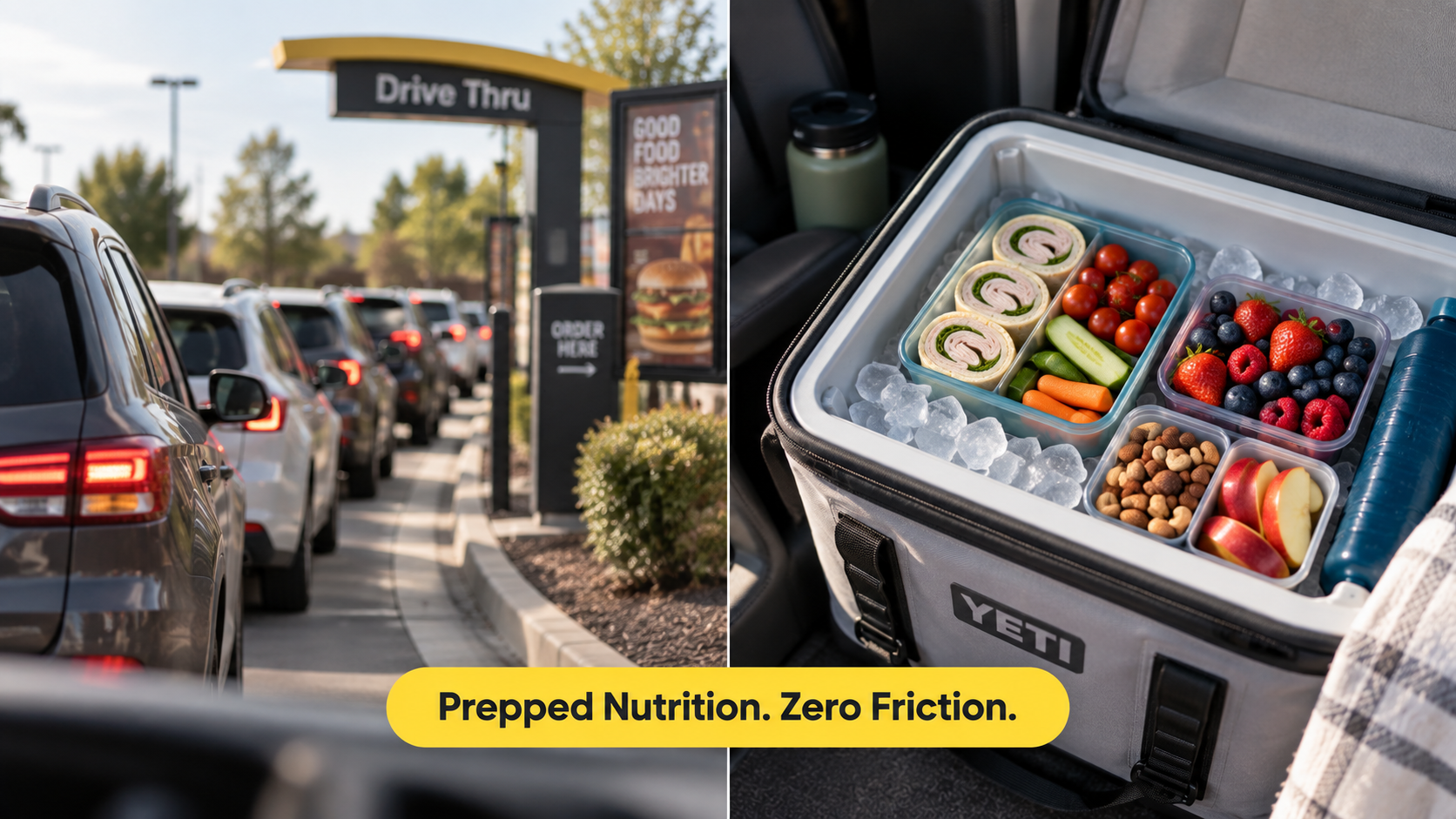
But when you are traveling in a wheelchair-accessible vehicle, grabbing food at the next rest stop is not always as simple as following the smell of fries. Highway exit fast-food drive-thrus or gas station convenience stores usually have non-accessible parking spaces, crowded counter lines, and menus that don’t support specific dietary needs.
That is why road trip meal prep dietary needs should be part of the trip plan. Packing meals at home gives you more control over ingredients and portions, while an organized cooler keeps food easy to reach for quick road-trip snacking.
Balancing Macronutrients for Long Seated Drives
Extended highway travel places unique demands on human metabolism. Sitting comfortably in a passenger vehicle for several hours reduces your overall physical energy expenditure, yet high-sodium, ultra-processed roadside food can leave you feeling fatigued, bloated, and thirsty.
Instead of consuming sugary snacks, try balancing macronutrients. This gives you a more substantial meal and makes the questionable gas-station snack less tempting.
Avoiding Highway Energy Crashes
A bag of chips or candy can solve immediate hunger, but it may cause rapid blood-glucose spikes followed by sharp energy crashes. When traveling, center your vehicle meals around lean proteins, healthy fats, and slow-digesting complex carbohydrates to maintain steady mental alertness and physical comfort.
Good high-energy road trip meal ideas include:
- Turkey-and-avocado lettuce wraps
- Greek yogurt with berries and nuts
- Hard-boiled eggs with fresh fruit
- Cheese cubes with whole-grain crackers
- Peanut or sunflower seed butter with apple slices
- Chicken and quinoa bowls with vegetables
- Roasted chickpeas with fresh vegetables
- Oatmeal cups
Protein is especially useful in meals because it stabilizes blood sugar and promotes satiety, helping passengers feel satisfied longer.
Also, consider combinations rather than individual “healthy” foods. An apple is convenient. An apple with peanut butter is a much more substantial snack.
Managing Hydration Schedules
It is easy to either forget about water for several hours or drink a huge bottle right before someone announces, “I need a restroom. Immediately.”
A practical strategy is “hydration pacing”. This means drinking four to six ounces of water at steady hourly intervals rather than large amounts all at once. Pair your water intake with hydrating fresh produce such as cucumber spears, celery sticks, and seedless grapes.
Hydration should also match the traveler’s individual needs. Some people may have fluid restrictions or medical considerations that require a specific plan, so follow your usual healthcare guidance rather than copying someone else’s hydration schedule.
Prepping Meals for Specialized Dietary Needs
A major benefit of dietary restriction road trip planning is that every passenger has safe, delicious options without scrambling at unfamiliar roadside diners. Some meals include:
Gluten-Free and Allergen-Safe Wraps and Bowls
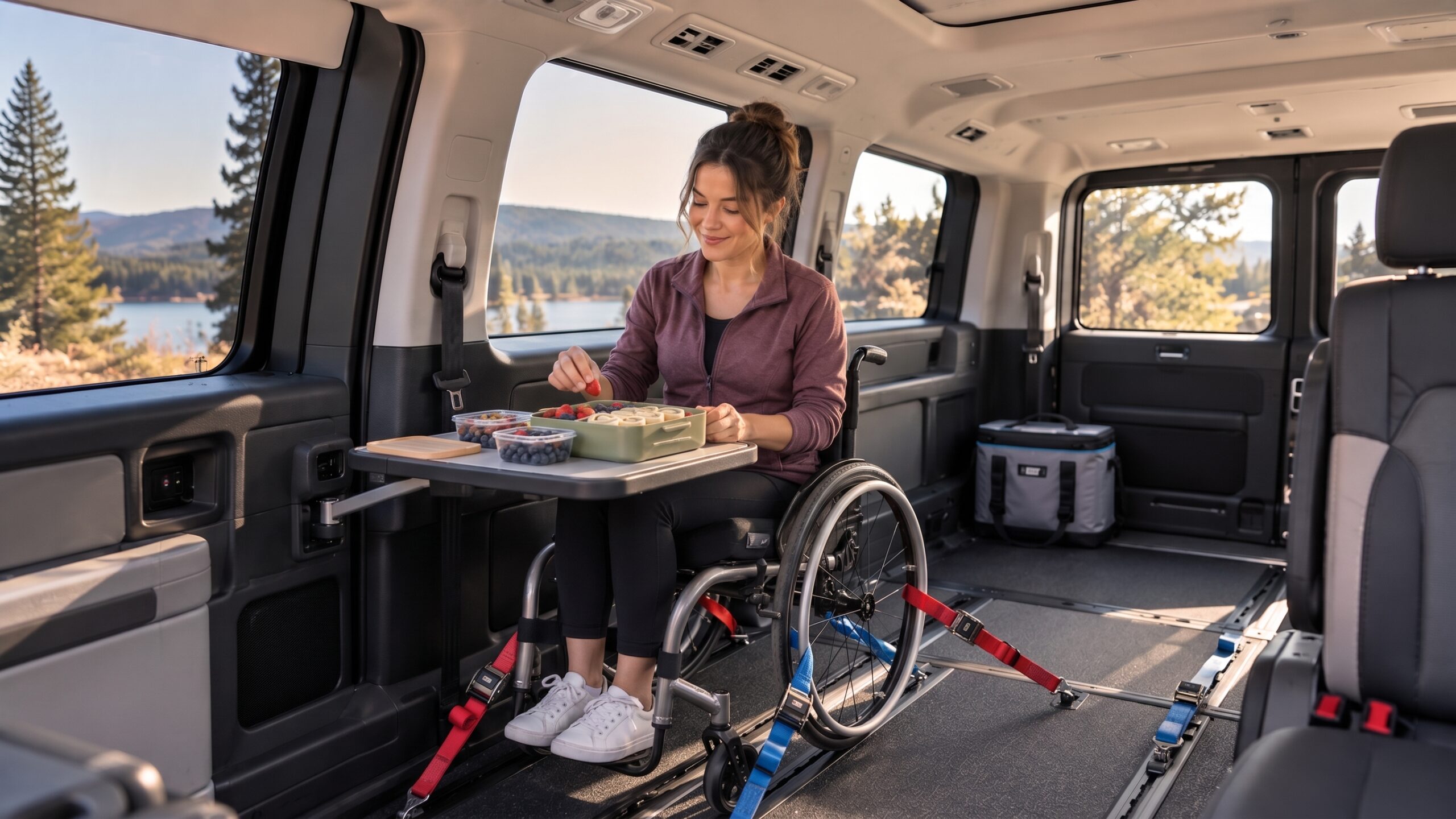
Wraps and bowls are useful road-trip meals because you can prepare them in advance and portion them into containers that fit neatly inside a cooler.
Use gluten-free spinach tortillas or large butter-lettuce leaves to create rolled wraps stuffed with sliced chicken breast, hummus, and shredded carrots. Wrap each roll tightly in parchment paper and cut into bite-sized pinwheels for easy, low-crumb handling inside the cabin.
A rice or quinoa bowl with chicken, cucumber, carrots, and a separate dressing container can also be filling without creating a mess.
Diabetic-Friendly and Low-Sodium Bento Boxes
For travelers managing diabetes or blood sugar, meals should fit their individual eating plan rather than following a one-size-fits-all road-trip menu.
Some easy options include:
- Turkey and vegetable roll-ups
- Unsalted or low-sodium nuts
- Eggs with sliced vegetables
- Plain Greek yogurt with berries
- Chicken and vegetable snack boxes
- Hummus with carrots, cucumber, or peppers
- Whole-grain crackers paired with cheese or low-sodium protein
If you need medication, insulin, or blood-glucose monitoring, pack those supplies separately and keep them accessible so you don’t accidentally grab a snack while looking for medicine.
Texture-Modified & Easy-Grip Snacks
Food can also be easier or harder to handle depending on grip strength, dexterity, and eating patterns.
This is where adaptive travel nutrition tips can be surprisingly practical. Choose foods that can be opened, held, and eaten with minimal manipulation. Peeled banana spears, soft turkey meatballs on child-safe silicone skewers, bite-sized sandwiches, and pre-cut pita triangles dipped in smooth bean spread allow independent eating without mess.
The same applies to drinks. A bottle with a flip-top, straw, or other familiar opening may be easier to use than a screw-top bottle, depending on the traveler’s preferences and abilities.
Cooler Geometry and Cabin Staging Architecture
A cooler can either be your best road-trip companion or a cold plastic box containing 14 things you cannot find. The difference is organization.
The Layered Cooler Packing System
Start by choosing a cooler large enough for the trip, but not so oversized that food gets buried at the bottom. Soft coolers can be convenient for vehicle travel because they are easier to position around other gear, while hard coolers can provide more structure and insulation.
According to the USDA Food Safety and Inspection Service, perishable travel foods must be kept at 40 degrees or colder to prevent bacterial growth. A simple food thermometer can remove the guesswork.
A useful packing order is:
- Bottom: Large frozen gel packs or sealed ice packs
- Middle: Heavier containers, protein portions, yogurt, and other items that need consistent cooling
- Upper layer: Delicate fruit, prepared wraps, snack boxes, and foods you expect to reach first
- Top or side pocket: Napkins, utensils, condiments, wipes, and other nonperishable essentials
Pack meals in the order you expect to eat them. If lunch is the first meal, don’t hide it underneath tomorrow’s dinner.
Mid-Cabin Staging for Easy Reach
The cooler’s location matters just as much as accessible vehicle travel food prep.
If you are traveling in a conversion minivan from Wheelchair Getaways, take advantage of the spacious mid-cabin floor plan. A soft cooler or small insulated food bag can be useful for items needed during the next few hours. Keep it in a secure location that works with the vehicle’s layout. It should not obstruct mobility equipment or interfere with wheelchair securement equipment, transfer areas, ramps, lifts, or emergency access.
Like what you’re reading? Subscribe to our newsletter and get new updates directly to your inbox.
What to Do When Your Plans Change
Even the best-planned road trip can go sideways. Traffic adds two hours, a planned stop is unexpectedly closed, or everyone decides they would rather keep driving than stop for lunch. Your food plan should be flexible enough to handle those moments.
Keep one or two backup meals or substantial snacks separate from the main food supply. It also helps to avoid packing every meal around a strict schedule. Instead of planning to eat at exactly noon, think in terms of meal windows and planned stops. If lunch gets pushed back by an hour, you already have snacks available to bridge the gap.
And if a cooler leaks, a meal gets dropped, or somebody eats tomorrow’s lunch today? Adjust the plan and search for the nearest restaurant that can meet everyone’s dietary needs.
Road Trip Food Safety & Clean-Up Checklist
Food safety becomes more important when you’re packing several road trip meals. A little preparation at home can prevent the classic road-trip scenario of discovering a questionable yogurt in the cooler and debating whether it is “probably fine.”
Beyond the usual 72-hour checklist, keep the following things in mind when packing your vehicle kitchen:
- Food Separation: Keep raw ingredients away from ready-to-eat meals and snacks. Choose leak-resistant containers to prevent cross-contamination.
- Proper labeling: Confirm packaged foods still meet each traveler’s dietary requirements before eating.
- Temperature Monitoring: Place a small digital thermometer in your cooler to verify temperatures stay below 40°F throughout the drive.
- Sanitization Kit: Bring a dedicated travel bag stocked with unscented hand wipes, alcohol-based hand sanitizer, and food-grade surface wipes for tray tables.
- Crumb & Spill Control: Pack silicone lap trays with raised outer edges to catch accidental spills, crumbs, or dip drips during highway transit.
- Waste Management: Hang a sealable, leak-proof trash bag from a rear seat headrest and dispose of food wrappers at every rest stop to keep the cabin fresh.
- Utensil Storage: Pack reusable, easy-grip silicone utensils in a sealable storage container for quick washing at evening hotel destinations.
Fueling Your Journey on Your Own Terms
Good road-trip nutrition is less about elaborate meals and more about reducing stress on the road.
Prepare nutrient-dense meals around your group’s dietary needs, portion them before you leave, and organize the cooler for easy access when hunger strikes. It also gives wheelchair travelers more control over their stops. You can still pull over for coffee, ice cream, or whatever roadside food catches your attention, just at your own convenience.
The vehicle matters here, too. Wheelchair Getaways offers wheelchair-accessible van rentals with spacious cabins, making it easy to organize mobility equipment, luggage, coolers, and several days’ worth of food.
When planning a road trip, contact us at (866) 224-1750 to check vehicle availability and learn more about rental deals. You can also fill out the rental quote form to reserve your accessible van.